
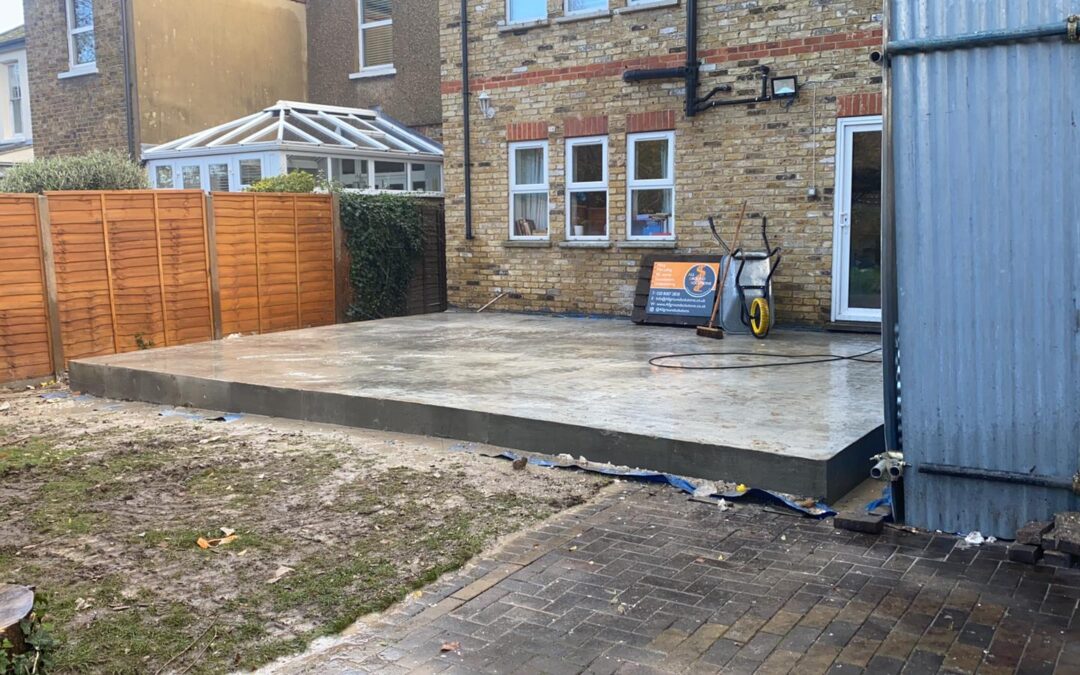
If you’re planning a home extension that requires piling works, there are a number of important factors to consider before starting the project. Piling is the process of driving deep foundation elements into the ground to support the weight of a structure, and it can be a complex and costly undertaking. Here are some key considerations to keep in mind when planning your piling works:
Soil Conditions
Soil conditions are a crucial factor in piling works. Conduct a thorough soil investigation to determine the type and strength of soil, the presence of groundwater, and any other factors that may affect the stability of the foundation. Understanding the soil conditions will help you determine the most effective piling solution for your project.
Structural Design
The design of your home extension will impact the type and configuration of piles needed to support the structure. Engage a structural engineer to assess the load requirements and determine the appropriate type of pile, whether it’s driven piles, bored piles, or screw piles. A proper structural design will help ensure the stability and longevity of your home extension.
Planning Permission
Depending on the location and size of your home extension, you may need to obtain planning permission from your local authority. Research the local planning regulations and engage with your local council to ensure compliance. Proper planning permission will help avoid any costly and time-consuming delays.
Access
Piling works require heavy machinery and equipment, which means you’ll need to ensure there is sufficient access to the site. This may involve the removal of trees, fences, or other obstacles that could hinder access. Ensuring proper access will help ensure a smooth and efficient piling process.
Noise and Vibration
Piling works can create significant noise and vibration, which can be disruptive to neighboring properties. Inform your neighbors of the works in advance and take measures to minimize the impact, such as scheduling works during non-peak hours or using vibration-reducing equipment. Proper noise and vibration management will help avoid any complaints or disputes.
Cost
Piling works can be expensive, so it’s important to budget accordingly. The cost will depend on a number of factors, including the size and complexity of the project, the type of piles required, and the soil conditions. Engage a reputable piling contractor to provide a detailed cost estimate and ensure that there are no surprises.
Health and Safety
Piling works can be danAccessgerous, so it’s important to ensure that all workers on site are properly trained and equipped with the appropriate safety gear. Additionally, it’s important to ensure that the site is properly secured and that all necessary safety measures are in place. Proper health and safety management will help ensure a safe and accident-free worksite.
In conclusion, starting a home extension that involves piling works requires careful planning and consideration of a number of factors. By working with an experienced piling contractor like All Ground Solutions Ltd and engaging with your local council and neighbors, you can help ensure a successful and safe project. Contact us today for any piling requirements you may have, and our team of experts will be happy to assist you


